
Vietnam’s Plastics Industry Enters a Phase of Supply Chain Restructuring
According to a report by the Vietnam Plastics Association (VPA), the country’s plastics industry continues to play a vital role in manufacturing and exports, with more than 4,000 active enterprises contributing approximately 6–7% of total industrial output and providing jobs for over 250,000 workers.
In 2025, total industry output was estimated at around $32 billion, while export turnover reached approximately $6.5–6.6 billion. Vietnamese plastic products are now exported to more than 170 markets, with key destinations including the United States, the European Union, Japan, and ASEAN countries.
However, behind this growth lies a structural bottleneck: heavy reliance on imported raw materials. As global supply chains become increasingly volatile—affected by oil prices, logistics disruptions, geopolitical risks, and shifting trade policies—this dependence is emerging as a strategic risk to both profit margins and competitiveness.
According to VPA Chairman Dinh Duc Thang, the industry has set a target to raise its level of raw material self-sufficiency to over 70% in the coming years. This will involve expanding domestic petrochemical capacity and strengthening linkages between upstream material producers and downstream manufacturers. This is not merely a policy statement, but a critical issue of controlling costs, securing supply, and enhancing value creation across the production chain, particularly as the industry faces multiple layers of pressure.
First, U.S. tariff policies pose a significant risk to exports. Tariff rates of up to 46% have already led to some plastic orders being canceled or delayed. With the U.S. accounting for roughly 30% of the industry’s export turnover, this creates substantial risks for output volumes and profit margins.
Second, raw material costs remain a major constraint. In 2024, the industry generated approximately $31 billion in revenue but spent more than $13 billion on importing raw materials and semi-finished products, leaving businesses highly exposed to fluctuations in resin prices, exchange rates, and logistics costs.
Third, regional competition is intensifying. Countries such as China, South Korea, Thailand, Malaysia, and Indonesia are expanding production capacity and localizing supply chains, placing increasing pressure on Vietnamese firms, particularly in mid-margin segments.
The industry’s strategic question is no longer “how fast can it grow,” but rather “how much control can it achieve within the value chain.” This shift is driving demand for regional-scale platforms that facilitate trade connectivity, sourcing, and supply chain collaboration.
A strategic platform for industry connection
In this context, Plastics & Rubber Vietnam 2026 is positioned as a large-scale trade and value chain connectivity platform where businesses can source materials, find manufacturing partners, connect with customers, and explore market expansion opportunities.
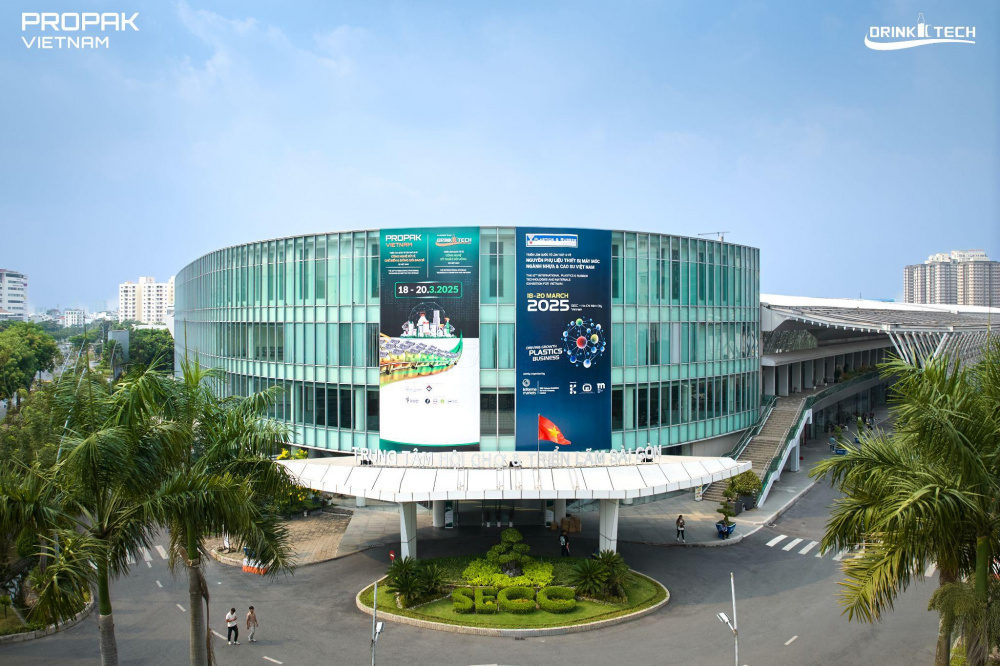
The 13th International Exhibition on Plastics and Rubber Technology, Materials, and Machinery—Plastics & Rubber Vietnam 2026—will take place from March 31 to April 2, 2026, at the Saigon Exhibition and Convention Center (SECC) in Ho Chi Minh City. Building on previous successes, the event will once again be co-located with ProPak Vietnam 2026—the 19th International Exhibition on Processing and Packaging Technology—and Drinktech Vietnam 2026—the 3rd International Beverage Technology Exhibition.
Covering more than 13,000 square meters of exhibition space, with 450 booths from 32 countries and territories, including six international pavilions from major industrial economies such as Austria, Taiwan (China), Germany, South Korea, China, and Italy, the exhibition is expected to become one of the region’s leading industrial gathering points.
The event is projected to attract over 11,000 trade visitors, offering a dynamic business environment where companies can connect, expand partnerships, and explore new investment opportunities. Beyond showcasing products and technologies, the exhibition serves as a strategic touchpoint for businesses to stay updated on cutting-edge trends and optimize production capabilities—contributing to the broader goal of increasing raw material self-sufficiency.
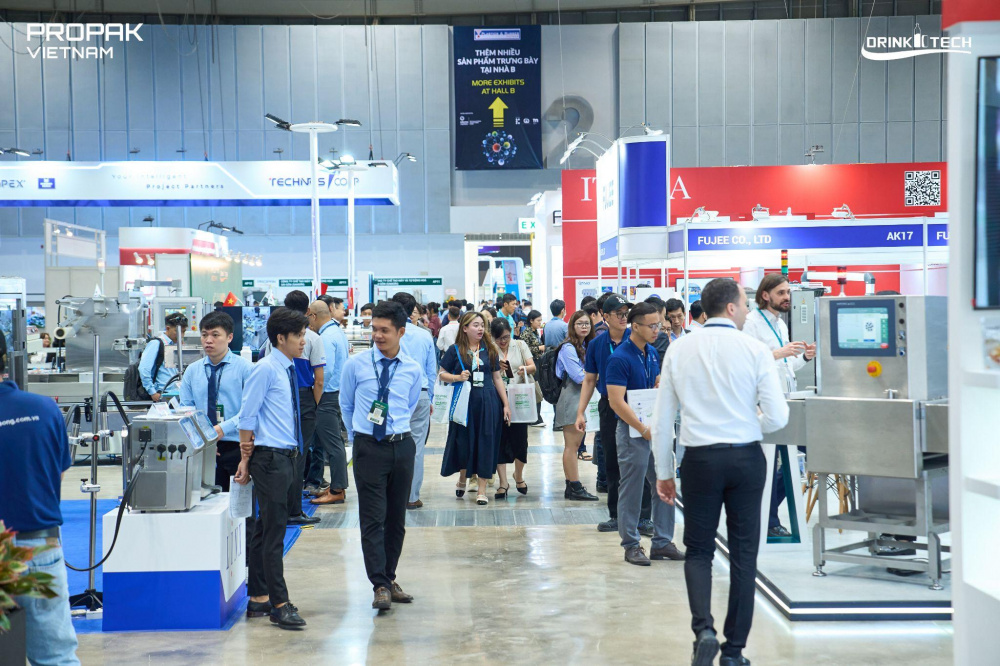
From showcasing to strategic decision-making
Rather than focusing solely on innovation narratives or technology displays, Plastics & Rubber Vietnam 2026 reflects a shift toward a more practical, results-oriented approach. The event directly addresses core industry challenges, including raw material sourcing, production capacity, cost optimization, and market expansion.
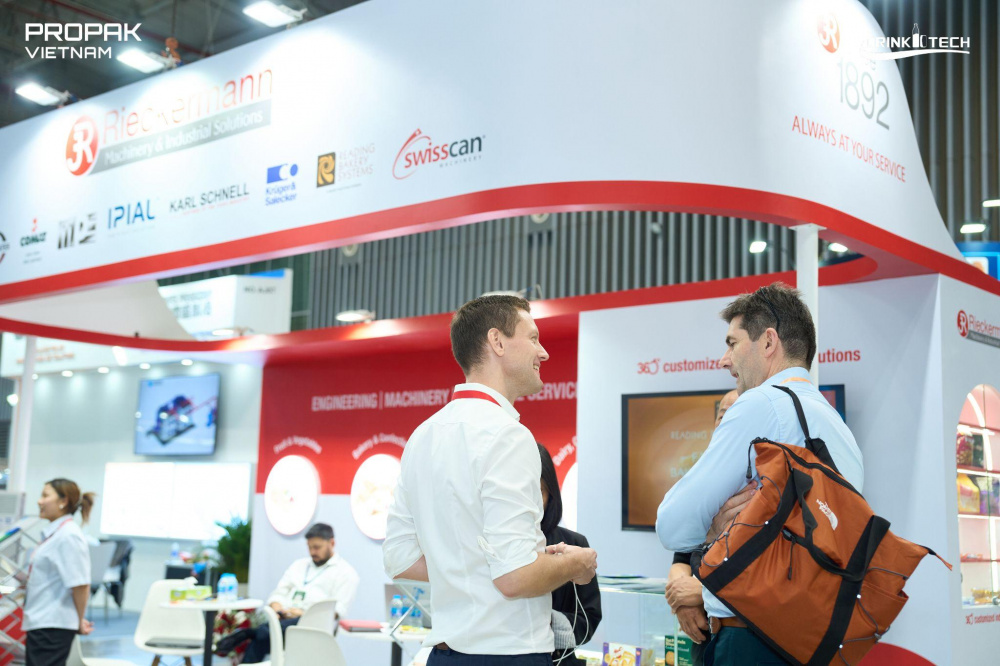
Participating companies span the entire value chain—from suppliers of raw materials, resins, and compounds; manufacturers of machinery and industrial equipment; to OEM/ODM partners, export processors, distributors, and international buyers. Notably, the growing presence of companies actively seeking suppliers, negotiating contracts, and expanding supply chains highlights the exhibition’s role as a genuine B2B trading platform.
For many manufacturers, the event is no longer merely a venue for showcasing products and technologies, but a place where critical business decisions are shaped—reinforcing its role as a “strategic transaction hub” in the ongoing restructuring of regional and global plastics value chains.
Redefining Vietnam’s position in the global value chain
As the global plastics value chain undergoes significant restructuring, Vietnam is gradually redefining its position—not only as a cost-based manufacturing hub, but as a strategic node for production, technology, and material supply in the region.
However, this transformation will not be without challenges. Balancing raw material self-sufficiency, green production requirements, and the development of sustainable supply chains will be critical. Each decision made today could shape the industry’s future competitiveness.
The question remains whether Vietnam possesses the vision, internal capacity, and strategic coordination needed to break through and establish itself as a key player in the global plastics value chain—or whether it risks falling behind in an increasingly dynamic and competitive landscape.