
Raw Material Prices Surge Amid Middle East Tensions: Businesses Adapt to a ‘New Normal’
Rising plastic resin prices, alongside increases in textile and animal feed inputs, are placing significant pressure on Vietnamese businesses amid ongoing geopolitical tensions in the Middle East. As costs and supply chains fluctuate, manufacturers are being forced to adapt to a “new normal” by restructuring sourcing strategies to mitigate risks.
Entering the latter half of March 2026, plastic raw material markets in Asia and Vietnam have experienced sharp volatility, reflecting the ripple effects of geopolitical tensions in the Middle East. Not only have oil prices climbed, but the entire plastics supply chain has been affected, prompting domestic plastic manufacturers to adjust their strategies.
Soaring input costs weigh on businesses
Specifically, PET resin prices are entering a clear upward trend as demand rises ahead of the peak season. Many plastic producers report that buyers are now compelled to purchase at higher prices due to concerns over potential supply shortages. Sellers, meanwhile, have quickly adjusted their offers upward, tilting the market in favor of suppliers.
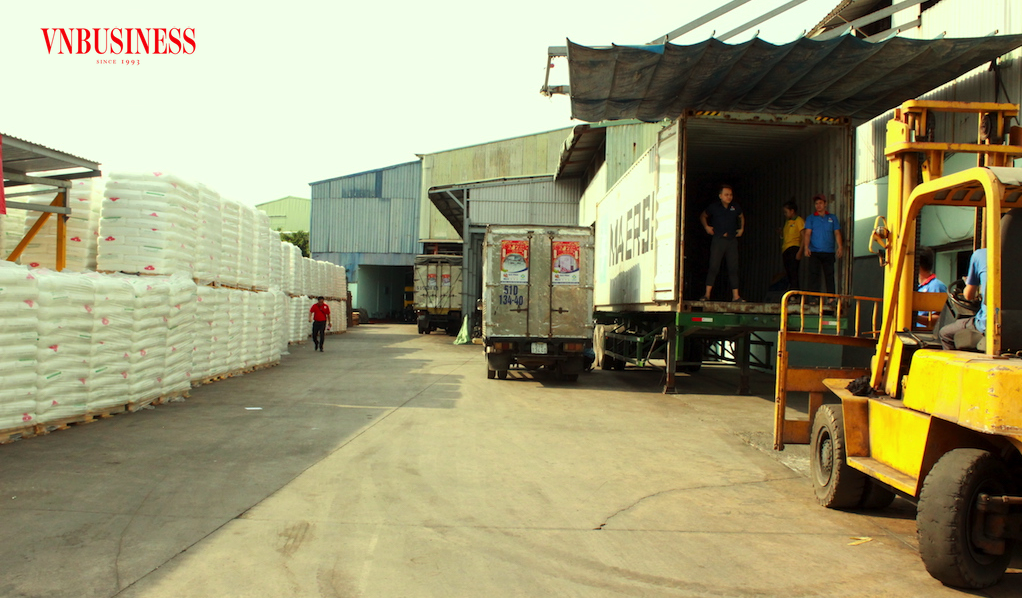
Meanwhile, PP resin prices remain volatile. Sellers have raised offer prices, but buyers are still cautious and hesitant to commit, indicating that the upward trend has yet to fully solidify.
The most notable development has been in the domestic ABS market, where import prices from Taiwan have surged by more than $900 per ton within just two weeks—an increase widely seen as rapid and unusual. Across Asia, PE prices have also risen due to tightening supply, even as demand has yet to fully rebound, pushing input costs for manufacturers up by around $60 per ton.
At a recent discussion in Ho Chi Minh City on plastic raw materials amid Middle East tensions, Dinh Duc Thang, Chairman of the Vietnam Plastics Association (VPA), noted: “For the plastics industry, the impact goes beyond oil price fluctuations—it extends across the entire supply chain, affecting delivery times, freight costs, contract fulfillment, and production stability in the coming period.”
He added: “This means plastic companies are not just dealing with price volatility, but a new market state where previous assumptions about timelines, costs, and stability are all being challenged.”
According to experts, Middle East tensions are not the sole cause. Even before the escalation, the global plastics market had entered a phase of supply-demand rebalancing following a prolonged period of oversupply. Many petrochemical plants worldwide have been forced to cut capacity, restructure, or shut down due to sustained losses.
At the same time, global demand for plastics continues to grow, making supply tighter and the market more sensitive to external shocks. As such, developments in the Middle East are accelerating an adjustment that was already underway. Once rebalancing begins, a return to previously low price levels in the short term is considered unlikely.
Beyond plastics, several other manufacturing sectors in Vietnam are also facing rising input cost pressures. In the textile and garment industry, market conditions for yarn and orders had been favorable prior to the conflict. However, as tensions escalate, raw material prices such as polyester fiber and cotton have begun to climb in line with oil prices.
Vu Duc Giang, Chairman of the Vietnam Textile and Apparel Association (VITAS), said cost pressures are becoming increasingly evident. Prices for some synthetic fibers have risen by 5–7%, with certain types increasing by as much as 10%, pushing up production costs while limiting the ability to adjust selling prices.
Restructuring supply chains to reduce risk
Le Tien Truong, Chairman of Vietnam National Textile and Garment Group (Vinatex), emphasized: “Rising oil prices are driving up petrochemical-based inputs, particularly polyester fiber. In the context of weak global yarn demand, companies must tightly control inventories and align production with market signals to avoid margin compression.”
According to Truong, the extent of impact largely depends on the duration of the conflict. A swift resolution would limit the effects, while a prolonged conflict—similar to the ongoing Russia–Ukraine situation—could result in more sustained negative impacts.
In the livestock sector, the effects are even more pronounced. Ilinca Anghelescu, Global Director of Marketing & Communications at EW Nutrition, noted that the Middle East conflict has disrupted the supply of feed ingredients.
“Rising energy prices have increased the cost of producing key nutritional additives such as vitamins and amino acids by 20–40%. Container shipping costs have also risen by approximately $1,500–2,100 per container compared to pre-conflict levels,” he said.
To ensure supply continuity, many feed producers have increased inventory levels, resulting in a 25–40% rise in storage costs. Anghelescu highlighted three main impact channels: disruptions in maritime transport, higher energy costs, and heavy reliance on imported inputs.
Amid these significant disruptions, Vietnamese manufacturers are being urged to implement multiple measures to mitigate risks.
In the plastics sector, Pham Quoc Long, Deputy CEO of Gemadept Corporation and Chairman of the Vietnam Ship Agents, Brokers and Maritime Services Association (Visaba), advised companies to reassess inventory strategies and raw material stockpiling capacity. Strengthening coordination with logistics partners and enhancing intra-industry linkages are also seen as critical.
From a sustainability perspective, Chu Thi Kim Thanh, Deputy Executive Director of PRO Vietnam, noted that as virgin plastic prices rise and supply becomes less stable, the role of recycled materials will be reassessed. This could mark a turning point for the recycling industry to gain stronger momentum in the near future.
For the textile sector, experts recommend tighter inventory control, flexible production adjustments in line with market demand, and close monitoring of raw material price movements.
In animal feed production, Anghelescu suggested that companies should increase inventory levels to cover 90–120 days for key inputs in the short term. In the medium term, diversifying supply sources is essential, while in the long term, building stable supply chains through partnerships with reliable suppliers is key to sustainability.
Overall, current conditions indicate that raw material markets are entering a new phase characterized by higher volatility, greater risks, and a tendency for prices to remain elevated compared to previous levels.
Domestic manufacturers must not only adapt to short-term fluctuations but also restructure long-term strategies—from inventory management and supply diversification to strengthening industry linkages and investing in sustainable solutions.
Those who proactively adapt will be well-positioned to capitalize on this transition, while slower-moving firms may face mounting pressure on costs and profit margins.
Thế Vinh (VNBUSINESS)