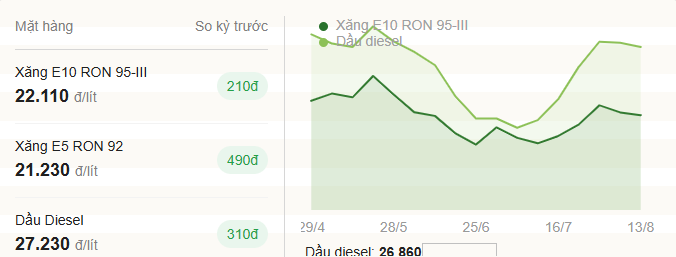
From 3:00 p.m. today, domestic petrol and oil prices, except for fuel oil, will all decrease, in line with movements in global energy markets.


Oil steady as Iran tempers hopes of swift Hormuz reopening
By Stephanie Kelly

US is set to import most Middle East crude since Iran war began
By Arathy Somasekhar

2026 Trend Breakdown: Plastics Supply Chain Regionalization
In 2026, the lowest-cost supplier is no longer automatically the most competitive option. Plastic product manufacturers are rethinking how and where materials move. Plastics supply chain regionalization is emerging as a strategic approach to de-risk supply chains, improve predictability and protect business continuity.

TAN PHU HANOI JOINT STOCK COMPANY – A DECADE OF SUSTAINABLE GROWTH
A DECADE OF GROWTH – A FUTURE OF GREATER ASPIRATIONS
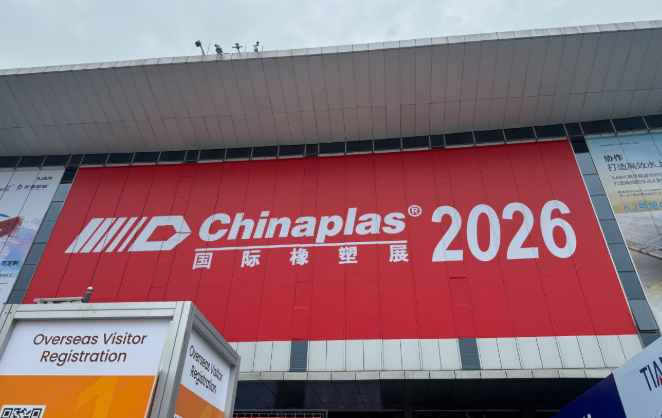
CHINAPLAS 2026: Driving Innovation in the Global Plastics and Rubber Industry
CHINAPLAS 2026 shows the accelerating trends of AI and automation in the plastics industry.
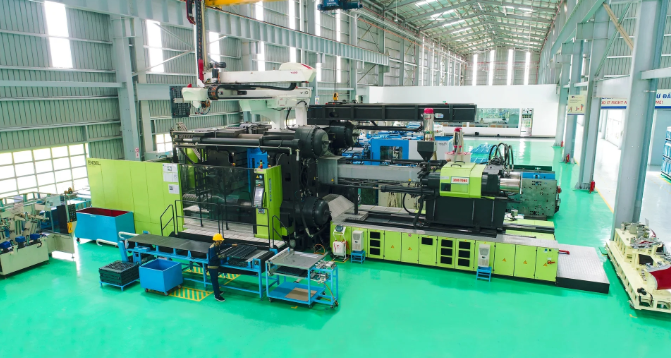
Plastic Resin Prices Rise with Oil Surge, Putting Heavy Pressure on Businesses
Plastic resin prices are moving in tandem with rising oil prices, significantly narrowing profit margins for plastics manufacturers.
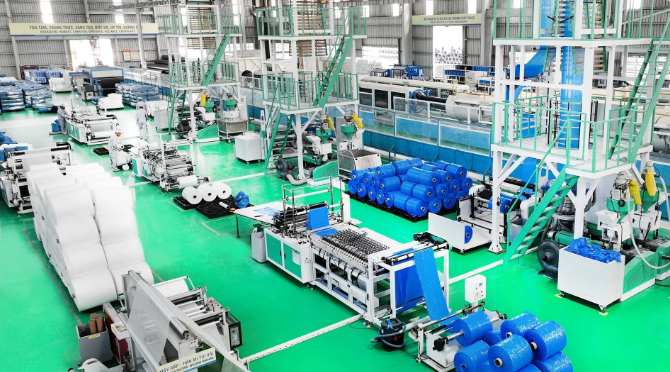
Plastics Firms Face Profit Pressure Amid Rising Cost “Storm”
Surging raw material prices driven by rising oil costs, along with increasing interest rates and logistics expenses, are placing significant pressure on the profitability of plastics companies in 2026

Vietnam's Plastics Industry in 2026: Where Will the Growth Come From?
Vietnam's Plastics Industry in 2026: Where Will the Growth Come From?
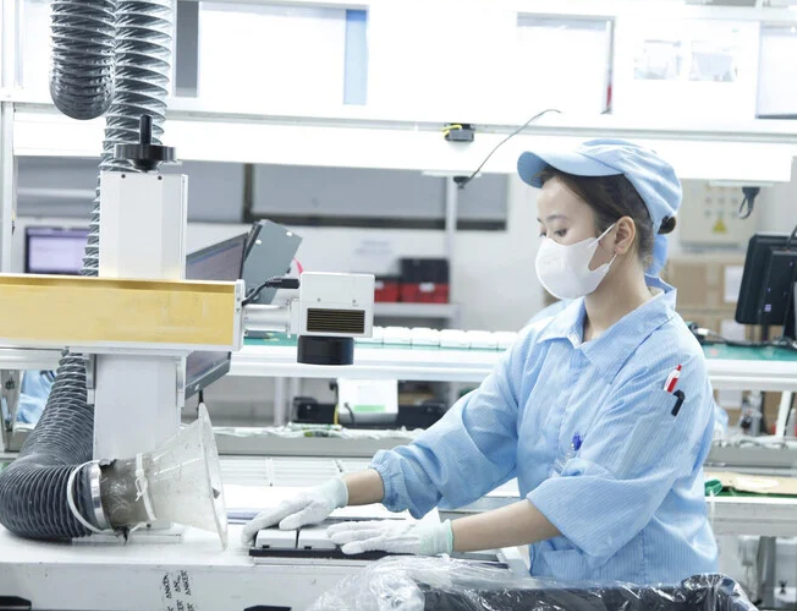
Resolution 82/NQ-CP: A ‘Golden Opportunity’ for Vietnam’s Industrial Breakthrough
Resolution 82/NQ-CP on the development of key industries marks a significant shift in Vietnam’s industrial policy mindset, signaling a more strategic and long-term approach to economic growth.
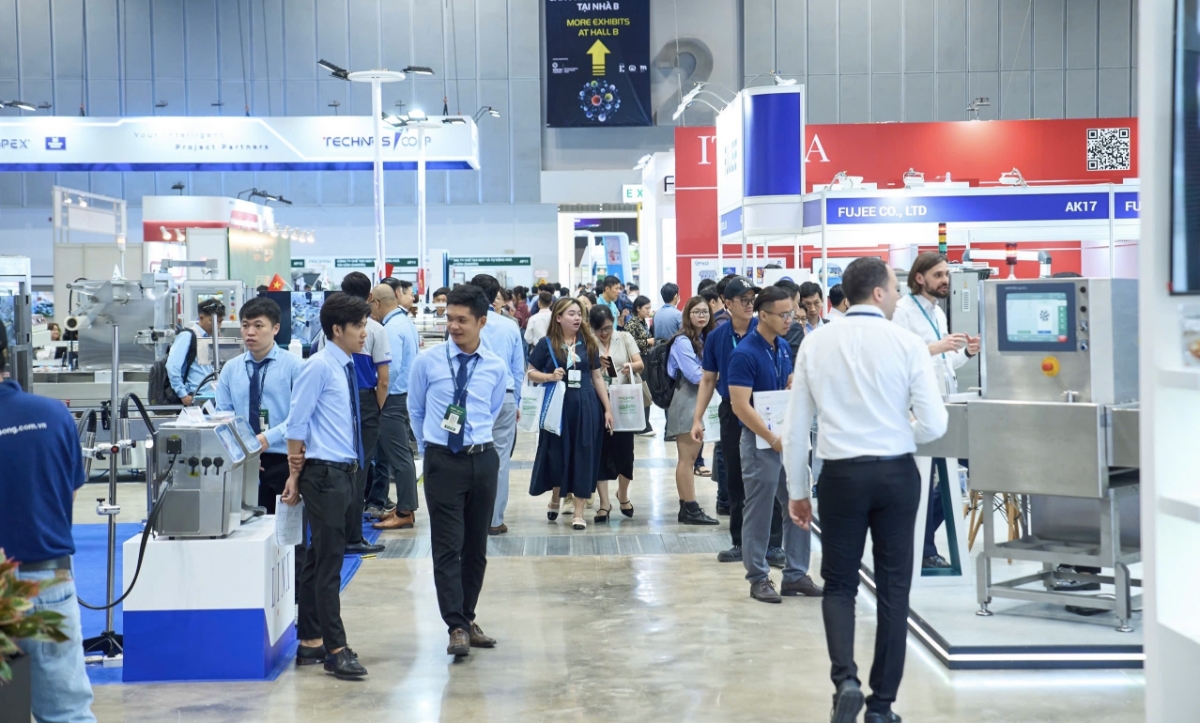
Vietnam’s Plastics Industry Restructures Supply Chains to Break Free from Import Dependence
Despite being a key pillar of manufacturing and exports, Vietnam’s plastics industry is facing a strategic challenge: gaining greater control over costs and raw material self-sufficiency.
Vietnam’s Plastics Industry Enters a Phase of Supply Chain Restructuring
According to a report by the Vietnam Plastics Association (VPA), the country’s plastics industry continues to play a vital role in manufacturing and exports, with more than 4,000 active enterprises contributing approximately 6–7% of total industrial output and providing jobs for over 250,000 workers.