
Vietnam’s Plastics Industry Restructures Supply Chains to Break Free from Import Dependence
Despite being a key pillar of manufacturing and exports, Vietnam’s plastics industry is facing a strategic challenge: gaining greater control over costs and raw material self-sufficiency.
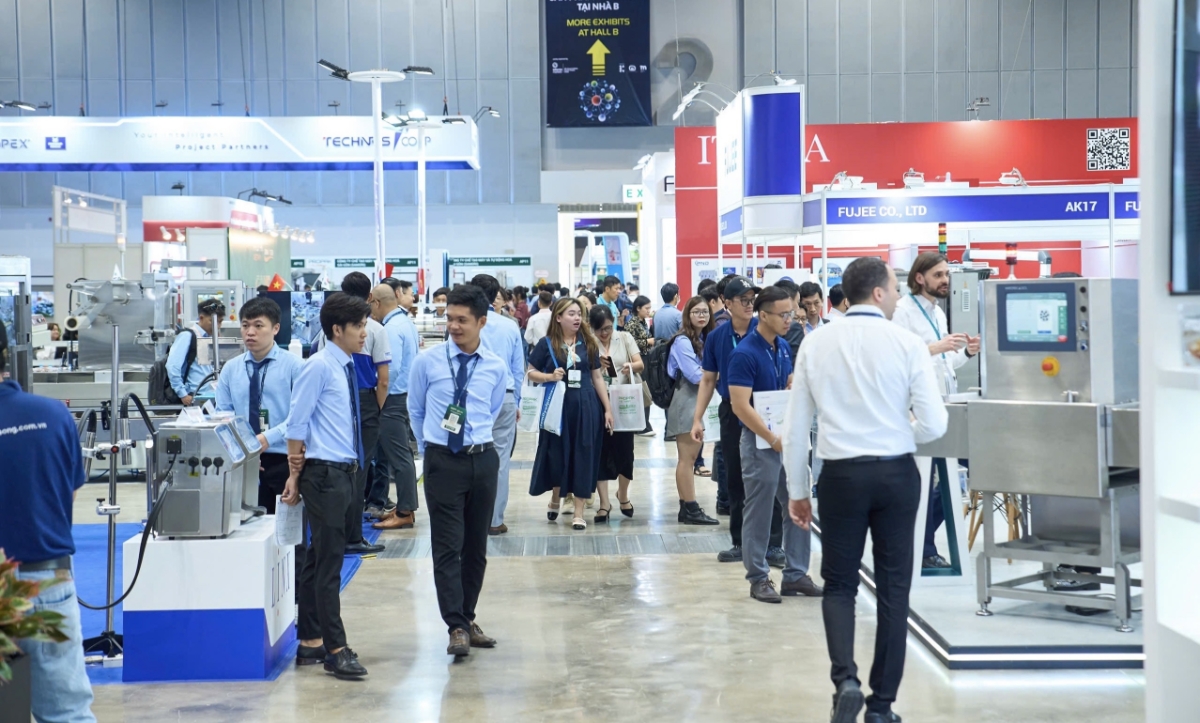
According to the Vietnam Plastics Association (VPA), the plastics industry currently contributes around 6–7% of the country’s total industrial output, with more than 4,000 active enterprises. In 2025, total industry output reached approximately $32 billion, with export turnover hitting $6.5–6.6 billion across more than 170 markets, mainly the United States, the European Union, Japan, and ASEAN.
However, behind these impressive growth figures lies a structural paradox: heavy reliance on imported raw materials. In 2024, despite generating $31 billion in revenue, the industry spent up to $13 billion on importing raw materials and semi-finished products. This leaves businesses highly vulnerable to fluctuations in resin prices, exchange rates, and logistics costs.
Adding to the pressure are stringent U.S. tariff policies—reaching as high as 46%—which have led to the cancellation or delay of some plastic orders. With the U.S. accounting for roughly 30% of the industry’s exports, the risks to output and profit margins are significant.
At the same time, competition is intensifying from regional players such as China, South Korea, Malaysia, Indonesia, and Thailand, all of which are scaling up capacity and competing aggressively on cost.
Amid geopolitical uncertainties and supply chain disruptions, the industry’s strategic focus is shifting from rapid growth to a more fundamental question: how much control can be achieved across the value chain?
Dinh Duc Thang, Chairman of the Vietnam Plastics Association, said the industry aims to raise its raw material self-sufficiency rate to over 70% in the coming years. This strategy includes expanding domestic petrochemical capacity and strengthening linkages between upstream material producers and downstream processors—key steps toward gaining control over costs and enhancing value creation.
A platform for restructuring and growth
To realize this restructuring goal, the need for regional-scale trade connectivity and sourcing platforms has become increasingly urgent. One such solution is the 13th International Exhibition on Plastics and Rubber Technology, Materials, and Machinery—Plastics & Rubber Vietnam 2026.
The event will take place from March 31 to April 2, 2026, at the Saigon Exhibition and Convention Center (SECC) in Ho Chi Minh City. It will feature over 13,000 square meters of exhibition space and 450 booths from 32 countries and territories, including six international pavilions from major industrial economies such as Austria, Taiwan, Germany, South Korea, China, and Italy.
The exhibition is expected to attract more than 11,000 trade visitors, creating a dynamic business environment where companies can connect, expand partnerships, and explore new investment opportunities. Beyond product showcases, the event serves as a strategic touchpoint for businesses to stay updated on cutting-edge technologies, optimize production capabilities, and ultimately enhance raw material self-sufficiency.
A shift toward practical, value-driven solutions
Rather than focusing solely on innovation narratives or technology displays, Plastics & Rubber Vietnam 2026 reflects a shift toward a more practical, results-oriented approach. The event directly addresses core industry challenges, including raw material sourcing, production capacity, cost optimization, and market expansion.
Participating companies span the entire value chain—from suppliers of raw materials, resins, and compounds; manufacturers of machinery, equipment, and industrial lines; to OEM/ODM partners, export processors, distributors, and international buyers.