
The plastics industry – a cornerstone of modern manufacturing and trade.
Over the past decade, Vietnam's plastics industry has maintained stable growth, becoming one of the key industries contributing to the national economy. Currently, there are more than 4,000 businesses operating in the industry, 90% of which are small and medium-sized enterprises, employing over 250,000 workers. Vietnamese plastic products are present in more than 190 countries and territories, with major markets including the United States, Europe, Japan, and ASEAN.
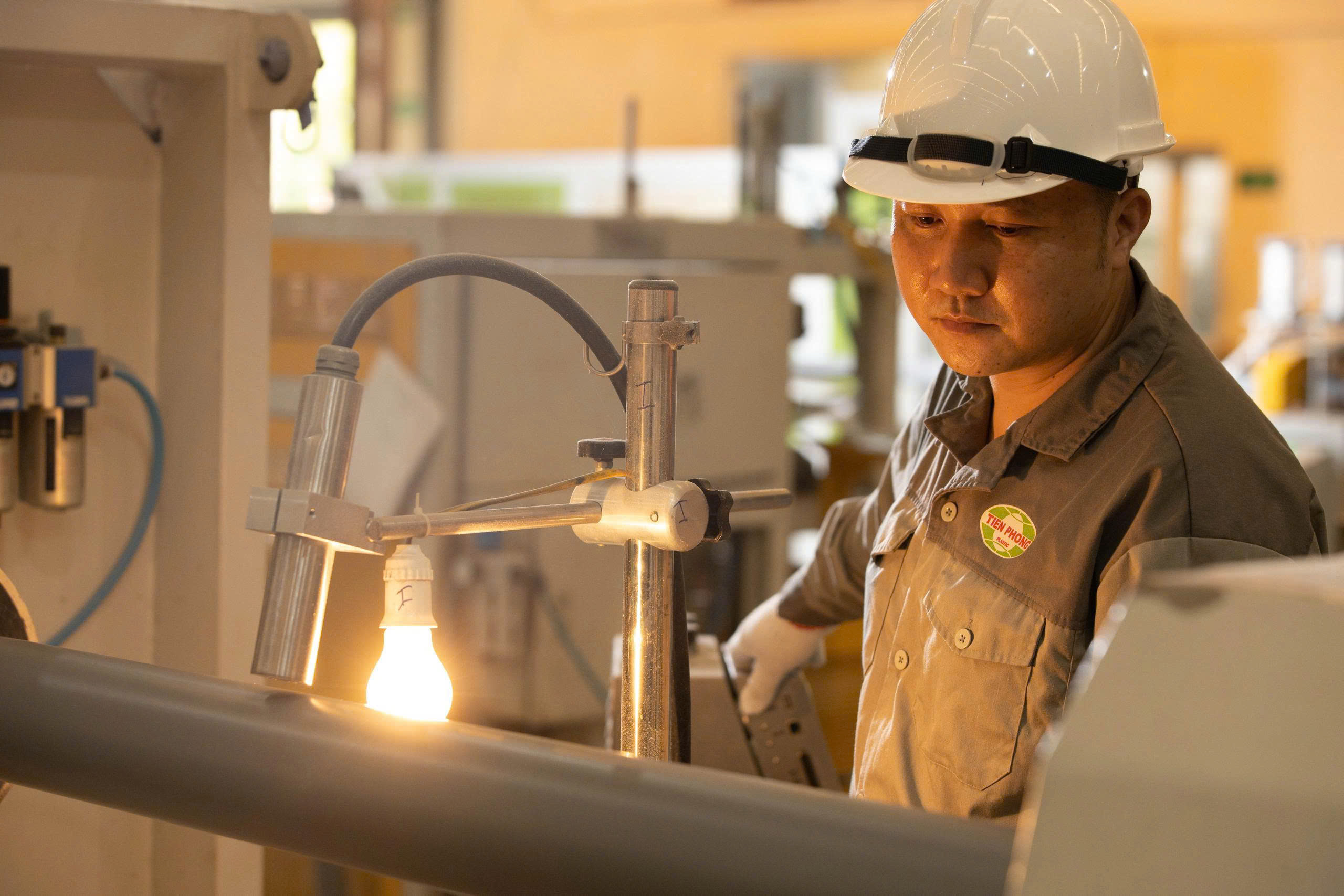
The plastic pipe manufacturing plant of Tien Phong Youth Plastic Joint Stock Company.
Plastics are essential in many fields, from packaging, healthcare, construction, transportation, and technology to consumer goods. Thanks to their lightweight, durable, and flexible properties, plastics can be used in a wide variety of applications, specifically:
- Packaging: In daily life, plastic contributes to food preservation, reduces waste, saves energy, and improves healthcare quality. In global trade, plastic packaging plays an irreplaceable role in packaging and transportation, ensuring that Vietnamese export goods – from agricultural products and seafood to electronics – maintain quality and safety when they reach consumers.
- Healthcare: Sterile plastic medical supplies and instruments contribute to protecting patients' health. At the same time, the development of bioplastics opens up prospects for applications in replacing implantable tissues.
- Construction: Products such as water pipes, doors, roofing sheets, and composite materials help improve the durability of structures, waterproofing, and thermal insulation;
- Transportation: Plastic components help reduce weight, thereby saving fuel and limiting emissions during operation;
- High technology: Plastic casings for phones, laptops, TVs, and electronic components meet the requirements for insulation, fire resistance, and high precision in processing for the electrical and electronics industry;
- Consumer Goods & Fashion: Fashion products, accessories, and sports and travel equipment made from plastic offer convenience and high aesthetic appeal.
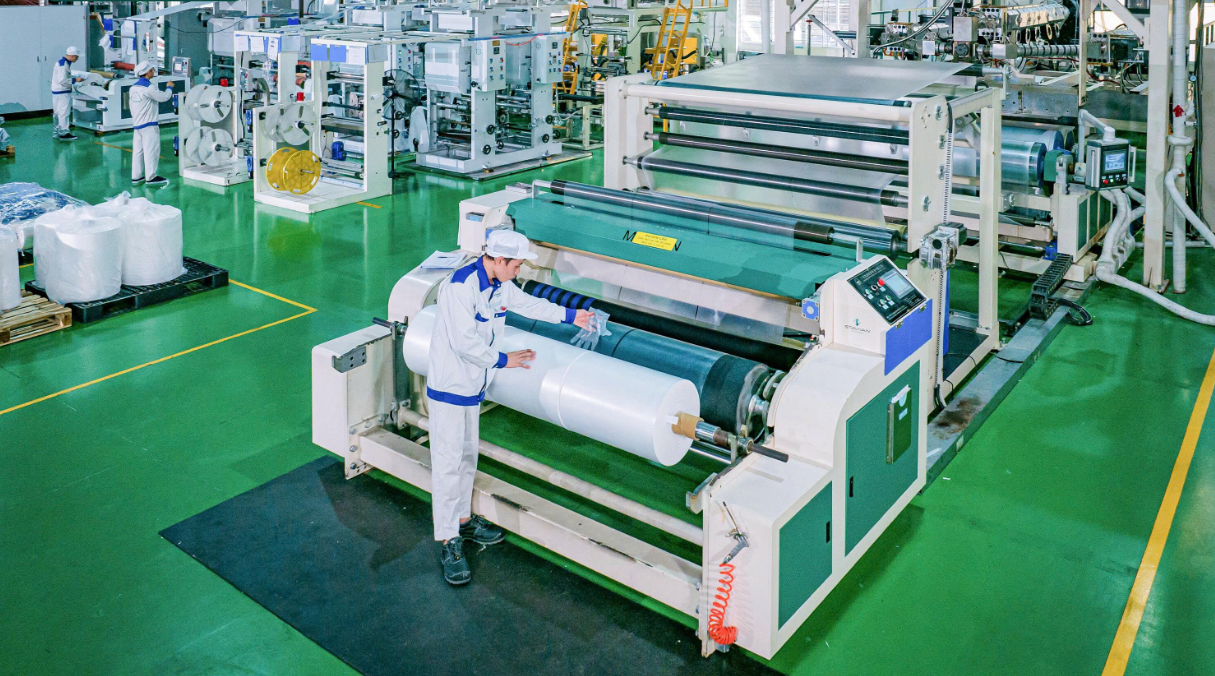
Plastics are essential in many fields due to their lightweight, durable, and flexible properties.
Recycling and biomaterials – drivers for the circular economy.
If used, collected, and recycled properly, plastic is not an environmental burden but a valuable input material for many industries. Today, recycled plastic is used in fashion, building materials, household appliances, and some industrial components. Along with this, research and application of bio-based materials are opening up more options, contributing to reducing dependence on fossil fuels and supporting emission reduction goals. Specifically, many famous fashion brands worldwide such as Adidas, Nike, Uniqlo… have used recycled plastic to produce shoes, shirts, and accessories. In construction and technology, recycled plastic is also used to reduce the rate of forest resource exploitation, saving costs while ensuring safety and sustainability.
In Vietnam, many pioneering businesses such as Stavian Group, Duy Tan, An Phat, etc., have invested heavily in recycling technology, built collection systems, and are gradually forming a circular economy model in the plastics industry.

The recycled plastic granule production plant of Duy Tan Recycled Plastic Joint Stock Company.
Vietnam's plastics industry: Stable growth, heading towards a green future.
With revenue of approximately US$31.5 billion in 2024 and export turnover reaching nearly US$10 billion, the plastics industry is asserting its position as one of Vietnam's key industries. In just the first seven months of 2025, Vietnam imported 5.55 million tons of plastic raw materials, worth US$7.325 billion – an increase of 18.8% in volume and 11.6% in value compared to the same period in 2024.
On the international market, Vietnamese plastic products continue to maintain stable growth in major markets such as the US, Canada, Japan, Indonesia, and the EU. This success shows that domestic businesses have made a strong transformation: from improving quality and diversifying designs to competing on price, gradually better meeting the increasingly high demands of global consumers.
Mr. Dinh Duc Thang – Chairman of the Vietnam Plastics Association – commented:
“The Vietnamese plastics industry is entering a promising phase of development, but alongside these opportunities come numerous challenges. With its low carbon emissions – significantly lower than traditional materials – plastics are playing an increasingly important role in the global economy. Industries such as automobiles, motorcycles, and aerospace are increasingly prioritizing the use of plastic components due to their light weight, contributing to the reduction of greenhouse gas emissions.”

Mr. Dinh Duc Thang – Chairman of the Vietnam Plastics Association, 7th term (2023-2028); Chairman of the Board of Directors and CEO of Stavian Group
Rapid urbanization, particularly in developing countries like Vietnam, is significantly increasing the demand for plastics in the construction sector. Furthermore, the rise of the global middle class and the boom in e-commerce are also driving consumption of household plastic products, packaging, and wrapping materials.
Along with the global supply chain shift, Vietnam is becoming an important manufacturing hub in the region, attracting many large factories to relocate or make new investments. This continues to provide leverage for the domestic plastics industry to expand production and increase its competitiveness.
In the context of a global emphasis on sustainable development, Vietnam's plastics industry is actively transforming itself through investment in recycled plastics, bioplastics, and environmentally friendly product lines. This is not only an inevitable trend but also a key to expanding export markets and enhancing the value of the national brand.

Vietnamese businesses are actively investing in recycled plastics, bioplastics, and environmentally friendly product lines.
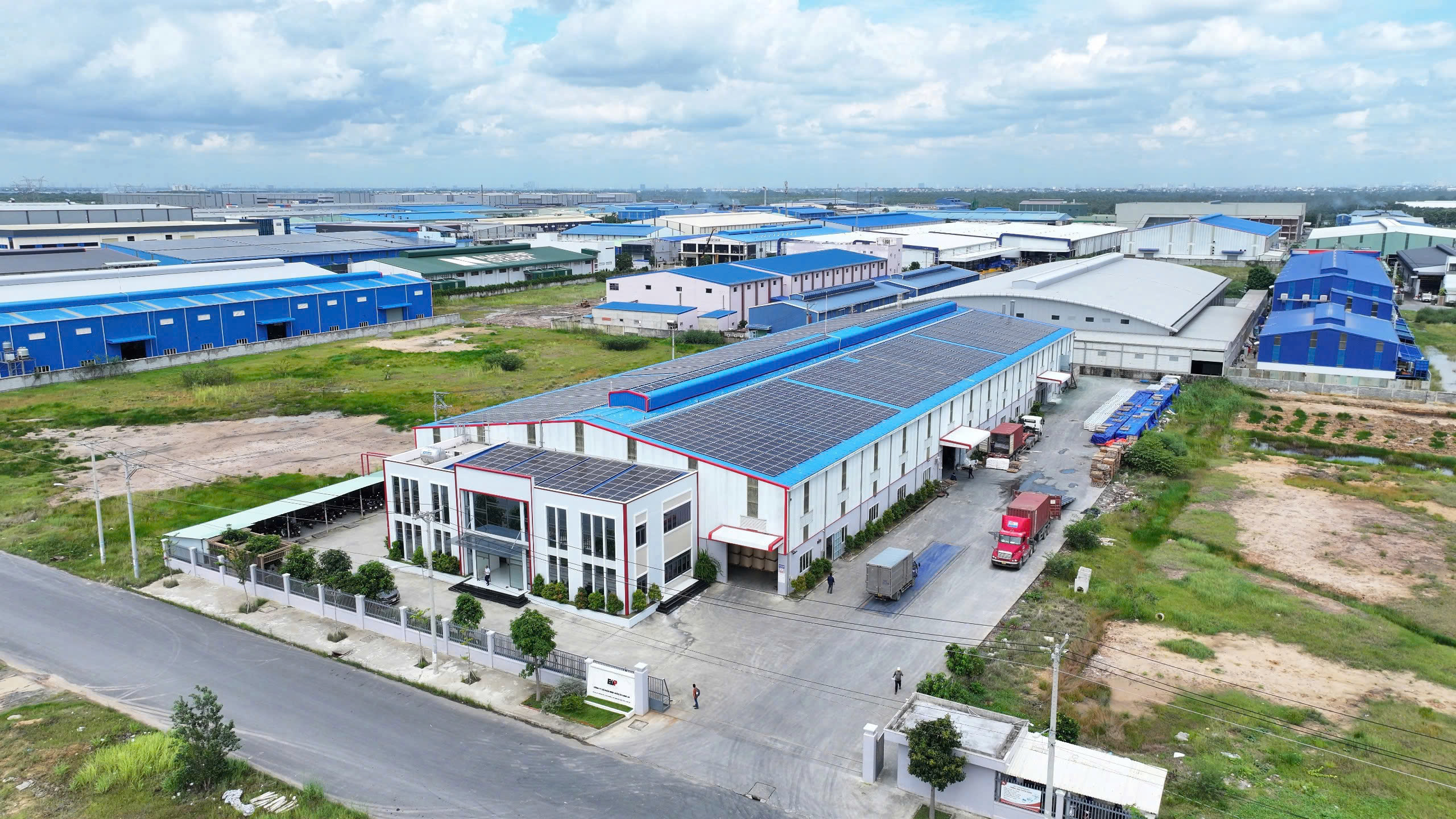
Plastic is not a "problem," but can become a sustainable solution if managed, used, and recycled properly. With an increasingly sophisticated production and trade infrastructure and a commitment to sustainable development, Vietnam's plastics industry is well-positioned to make a positive contribution to green growth goals.
It's time to recognize the plastics industry as a positive force in building a green and sustainable future for Vietnam and the world. With the joint efforts of regulatory agencies, businesses, partners, and consumers in designing recyclable products, optimizing usage, sorting waste at source, efficient collection, and material recycling, plastics will undoubtedly become part of the solution in building a green and sustainable future for Vietnam and the world.